Restaurant Business Types
 Restaurant Products
 Featured


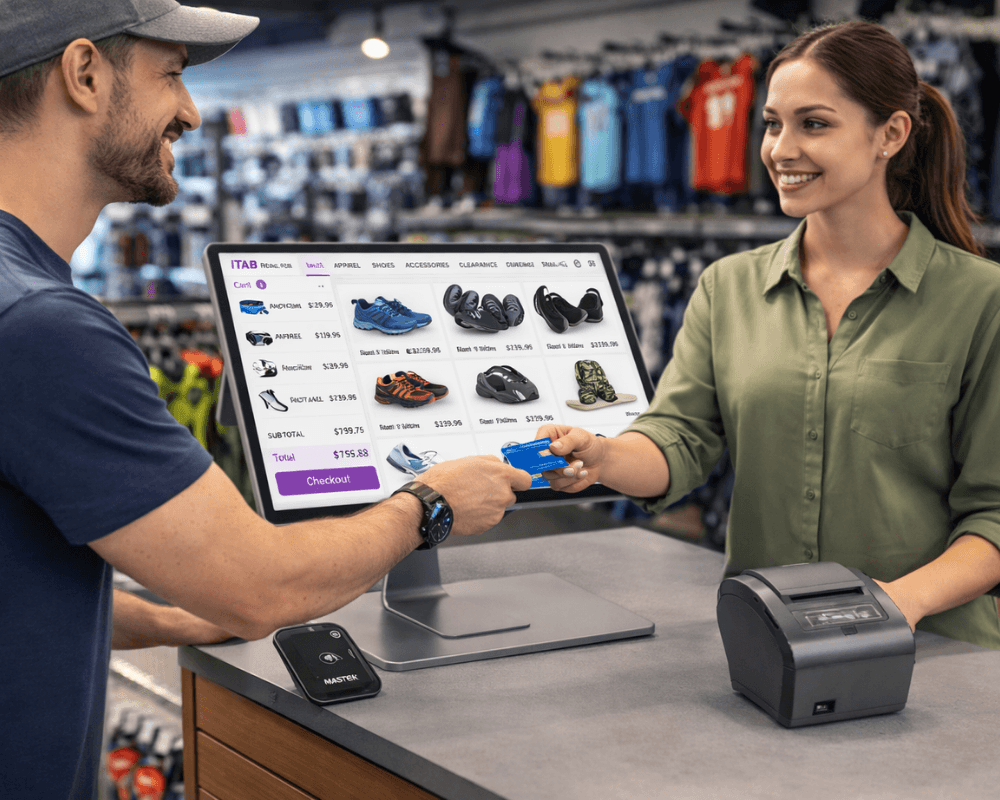

Small businesses today face a big technology decision: stick with a traditional POS system or upgrade to a modern cloud POS platform. While traditional systems once dominated retail, the rise of cloud technology has transformed how businesses manage sales, inventory, and customer data.
So which system is better for small businesses?
Let’s break it down.
What Is a Traditional POS System?
A traditional POS system (also called on-premise POS) stores data on a local computer or server inside the store. These systems typically require specialized hardware and manual software updates.
Key characteristics:
- Data stored locally
- Fixed terminals inside the store
- Software installed on each device
- Updates performed manually
- Often requires IT maintenance
Traditional POS systems were the standard for decades and are still used by some businesses that prefer full local control of their data.
What Is a Cloud POS System?
A cloud POS system stores business data online instead of on local servers. Store owners can access the system through the internet using tablets, computers, or smartphones.
Key characteristics:
- Data stored securely in the cloud
- Accessible from any device
- Automatic updates
- Real-time reporting
- Integration with other software
Cloud POS platforms allow business owners to manage operations remotely while keeping data synchronized across locations.
The Big Differences Between Traditional POS and Cloud POS
| Feature | Traditional POS | Cloud POS |
|---|---|---|
| Data Storage | Local server | Cloud servers |
| Upfront Cost | High hardware cost | Lower setup cost |
| Access | In-store only | Anywhere |
| Updates | Manual | Automatic |
| Scalability | Limited | Easy to expand |
| Integrations | Limited | Extensive integrations |
Cloud POS platforms also make it easier to integrate with tools like eCommerce, accounting software, and CRM systems, which many modern retailers depend on.
Why Small Businesses Are Moving to Cloud POS
Cloud POS adoption has grown rapidly because it solves many of the limitations of older POS systems.
Lower Startup Costs
Traditional POS systems often require expensive servers and hardware. Cloud systems typically use a subscription model with lower upfront costs, making them easier for startups and small businesses to adopt.
Manage Your Business from Anywhere
One of the biggest advantages of cloud POS is remote access. Owners can monitor sales, inventory, and reports from any internet-connected device.
This is especially useful for businesses with:
- Multiple stores
- Mobile operations
- Remote managers or owners
Real-Time Business Insights
Cloud POS systems provide live sales and inventory reporting, helping retailers make faster decisions about pricing, staffing, and purchasing. (iTab POS)
For example, a store owner can instantly see:
- Best-selling products
- Slow-moving inventory
- Daily revenue trends
- Employee performance
Automatic Updates and Maintenance
Traditional POS systems often require manual upgrades or technician visits. Cloud systems automatically update software in the background.
This means:
- New features appear automatically
- Security patches are applied quickly
- Less IT maintenance is required
Stronger Integrations
Modern retail operations rely on connected software systems.
Cloud POS platforms easily integrate with:
- eCommerce platforms
- Accounting software
- Inventory management systems
- Marketing and loyalty tools
These integrations allow businesses to automate workflows and reduce manual data entry.
When Traditional POS Still Makes Sense
While cloud POS systems dominate modern retail, traditional systems may still work for certain businesses.
Traditional POS might be preferable if:
- Internet access is unreliable
- You want complete local control of data
- The business operates from a single location with simple operations
However, these scenarios are becoming less common as cloud technology improves.
The Future of POS Systems
Industry research shows that cloud POS adoption is rapidly increasing across the retail sector due to its flexibility, scalability, and improved customer experience. (The Payments Association)
Cloud POS systems also enable modern retail capabilities such as:
- omnichannel sales
- mobile checkout
- AI-driven reporting
- advanced inventory forecasting
Businesses that adopt modern platforms often gain operational advantages over competitors still using legacy systems.
Why Many Small Businesses Choose Cloud POS
For most small businesses today, cloud POS offers the best combination of affordability, flexibility, and growth potential.
Benefits include:
- Lower upfront cost
- Remote business management
- Real-time reporting
- Easier integrations
- Faster deployment
Cloud POS platforms are designed to help businesses scale without needing expensive infrastructure.
How iTab POS Helps Modern Retailers
The iTab Cloud POS system is built for modern retail and restaurant operations.
Key capabilities include:
- Cloud-based POS with touchscreen interface
- Real-time sales and inventory tracking
- Integrated payment processing
- Mobile inventory tools
- Automated reporting dashboards
- Unlimited cloud back-office access for managers and owners
This allows business owners to run their operations from anywhere while keeping stores running efficiently.
Choosing between traditional POS and cloud POS ultimately depends on your business needs. But for most modern small businesses, cloud POS provides the flexibility, automation, and real-time insight needed to stay competitive.
Retail and restaurant businesses are evolving quickly. Businesses that adopt modern POS technology are better positioned to grow, adapt, and deliver better customer experiences.